
Manufacturing Day 2026: New Demands on Plants and Warehouses
Ever toured a factory and noticed how much of the floor is just waiting? Raw materials waiting to be used, finished cases waiting to ship. Manufacturing Day, held on Friday, October 2, 2026, opens plant doors across the country so students and neighbors can see modern production up close. For food and consumer packaged goods makers, the tour also shows where the pressure is building, and much of that pressure ends at the dock where food logistics takes over.
The event is run by the Manufacturing Institute, the workforce and education affiliate of the National Association of Manufacturers, and it lands on the first Friday of October every year. U.S. manufacturing employs nearly 12.9 million people (Manufacturing.gov, 2026). Here are the 4 demands reshaping their plants, and what each one asks of the warehouse and distribution services that sit downstream.
1. The workforce gap, and where it actually sits
Manufacturers were trying to fill 522,000 jobs at the end of August 2026, up from 416,000 a year earlier (Bureau of Labor Statistics job openings survey, August 2026 preliminary). The longer view is steeper. The Manufacturing Institute and Deloitte project that as many as 3.8 million additional workers could be needed between 2024 and 2033, and that 1.9 million of those jobs could go unfilled if skills and applicant gaps persist (Manufacturing Institute and Deloitte, April 2024). Plants and pick and pack fulfillment operations recruit from the same local pool of hourly workers.
Look closer and the picture splits. Openings at durable goods makers, the factories building machines and vehicles, reached 380,000 in August, while openings at nondurable goods makers, the category that includes food and beverage plants, fell to 142,000 from 191,000 in May (Bureau of Labor Statistics, August 2026). Food plants are not immune to hiring pressure, but the sharpest competition for workers is coming from heavy industry. For a food brand, that shows up as wage pressure in logistics warehousing and production jobs alike.
2. Reshoring keeps adding plants
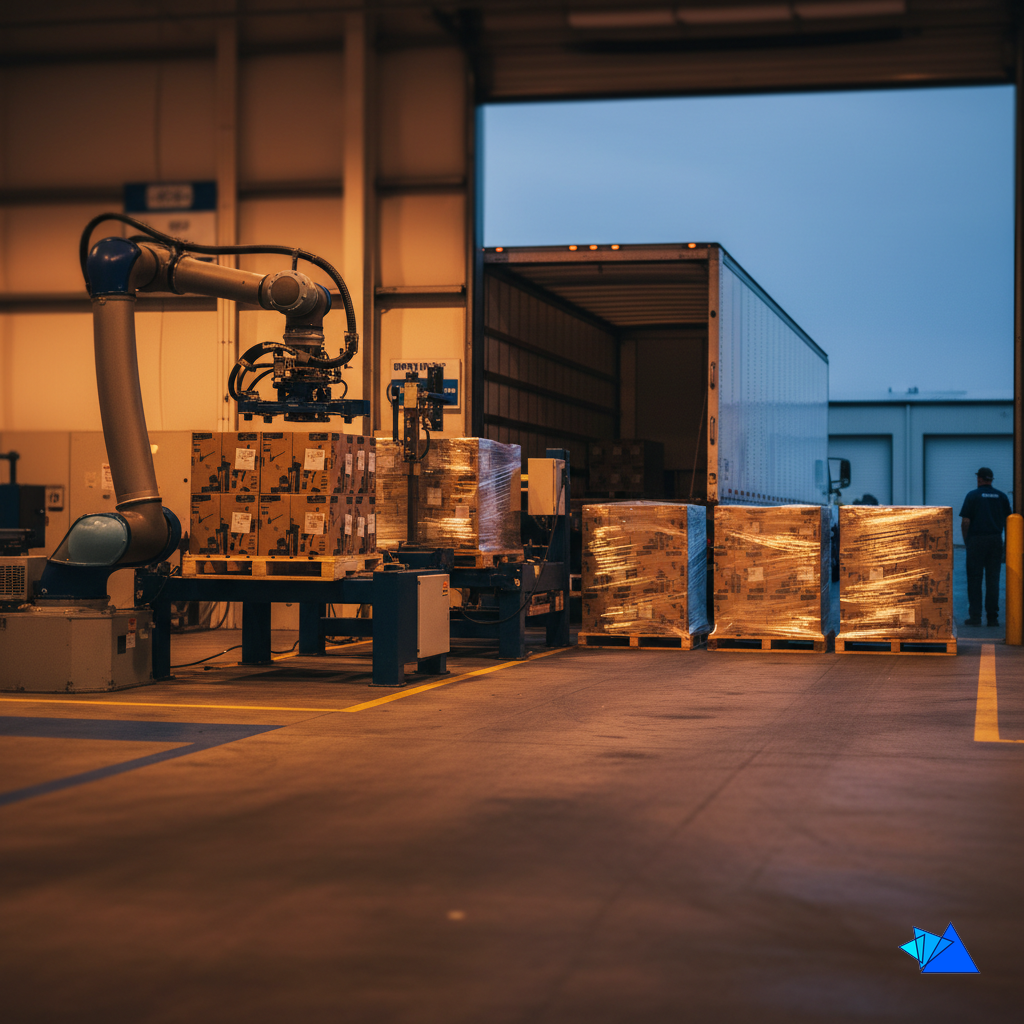
Reshoring has grown from about 11,000 announced jobs a year in 2010 to roughly 244,000 a year in 2025, combining companies bringing work home with foreign companies building here (Reshoring Initiative, April 2026). Every new domestic plant needs inbound raw materials and outbound finished goods, which means new demand for nearby california warehouse space wherever those plants serve the West Coast.
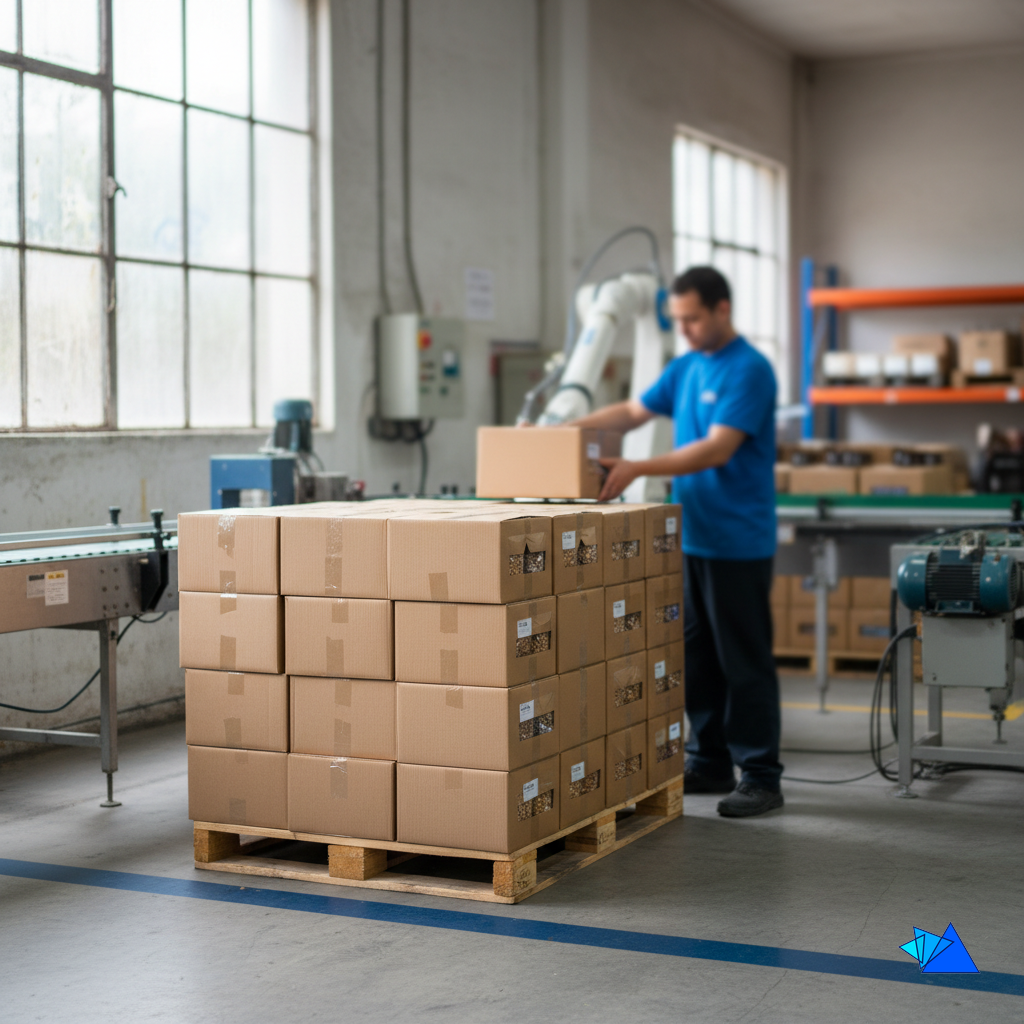
Shorter supply lines change the inventory math too. Product made a few hundred miles away arrives in smaller, more frequent loads than product that crossed an ocean in a container. That trades big seasonal stockpiles for steadier replenishment, and it puts a premium on warehousing logistics that can receive and turn pallets quickly instead of storing them for months.
3. Costs and tariffs squeeze the margin
Optimism is up even as costs climb. In the National Association of Manufacturers’ third quarter 2026 survey, 78.9% of manufacturers reported a positive outlook, and they projected sales growth of 4.3% and production growth of 3.8% over the next 12 months, the highest projections since the second quarter of 2022 (National Association of Manufacturers Outlook Survey, September 2026). Raw material costs ranked as the top business challenge for the second straight quarter, with trade uncertainties close behind, and respondents expect input costs to rise 5.0% over the year. Growth plans on tight margins put every line of the logistics and warehousing budget under a microscope.
Freight is a big part of that squeeze. The same survey found 77.3% of manufacturers named freight rates as a challenge and 74.1% named fuel costs, while 98.6% rely on trucks to move goods. When the truck is the only realistic option, where a fulfillment warehouse sits relative to customers and ports becomes a freight cost decision, not just a real estate one.
4. Automation spreads into food plants
U.S. factories installed 38,400 industrial robots in 2025, a 12% increase that made the United States the world’s second largest robot market behind China (International Federation of Robotics, World Robotics 2026, September 24, 2026). The standout was food and beverage, where installations rose 30% to 2,900 units. The federation’s president credited growth to the food industry and to sectors like warehousing and logistics, which puts automation on both sides of the warehousing & logistics handoff.
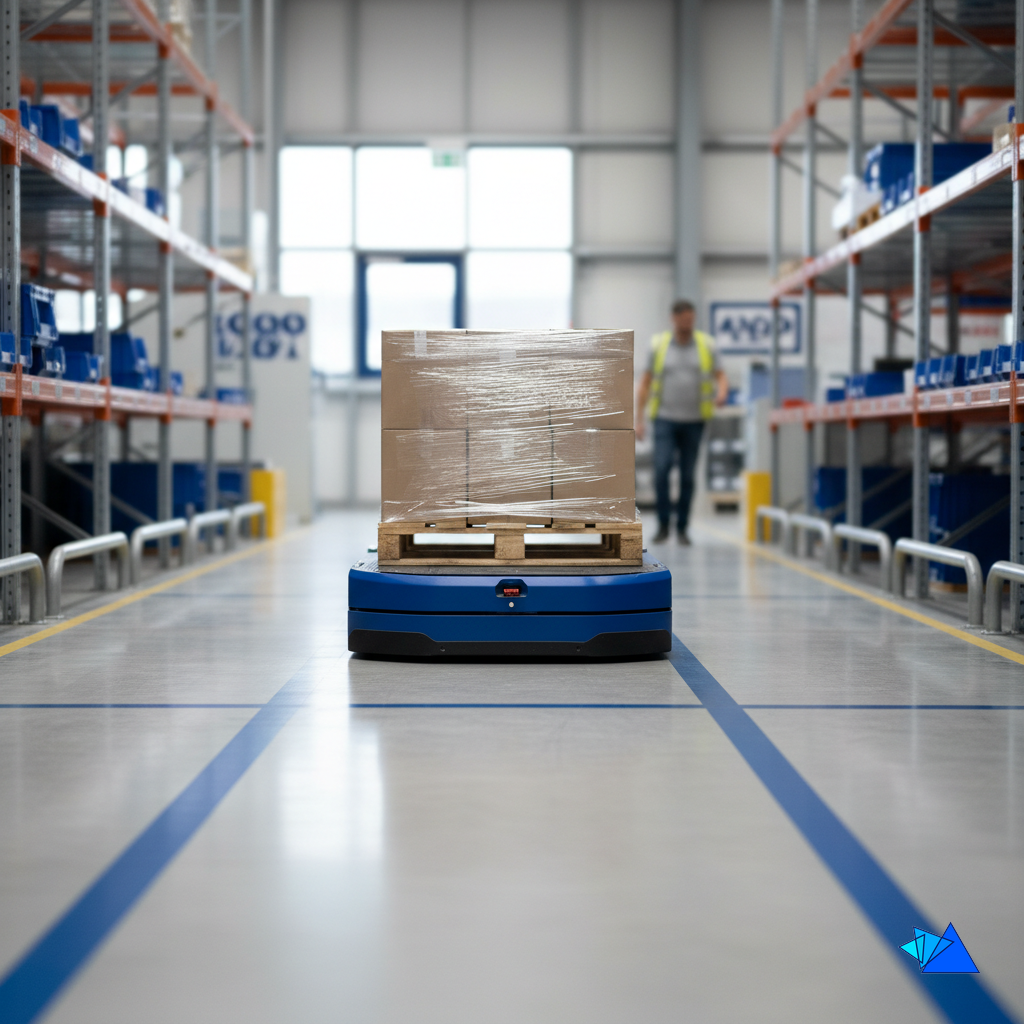
Automation shows up in the warehouse as automated guided vehicles, dense storage systems and robotic palletizing. Material handling specialists like Raymond West design and install that equipment for distribution centers across the West. A plant that runs faster and more consistently ships more evenly, which only pays off when the downstream food logistics partner can receive at the same pace.
What it means for the warehouses that serve them
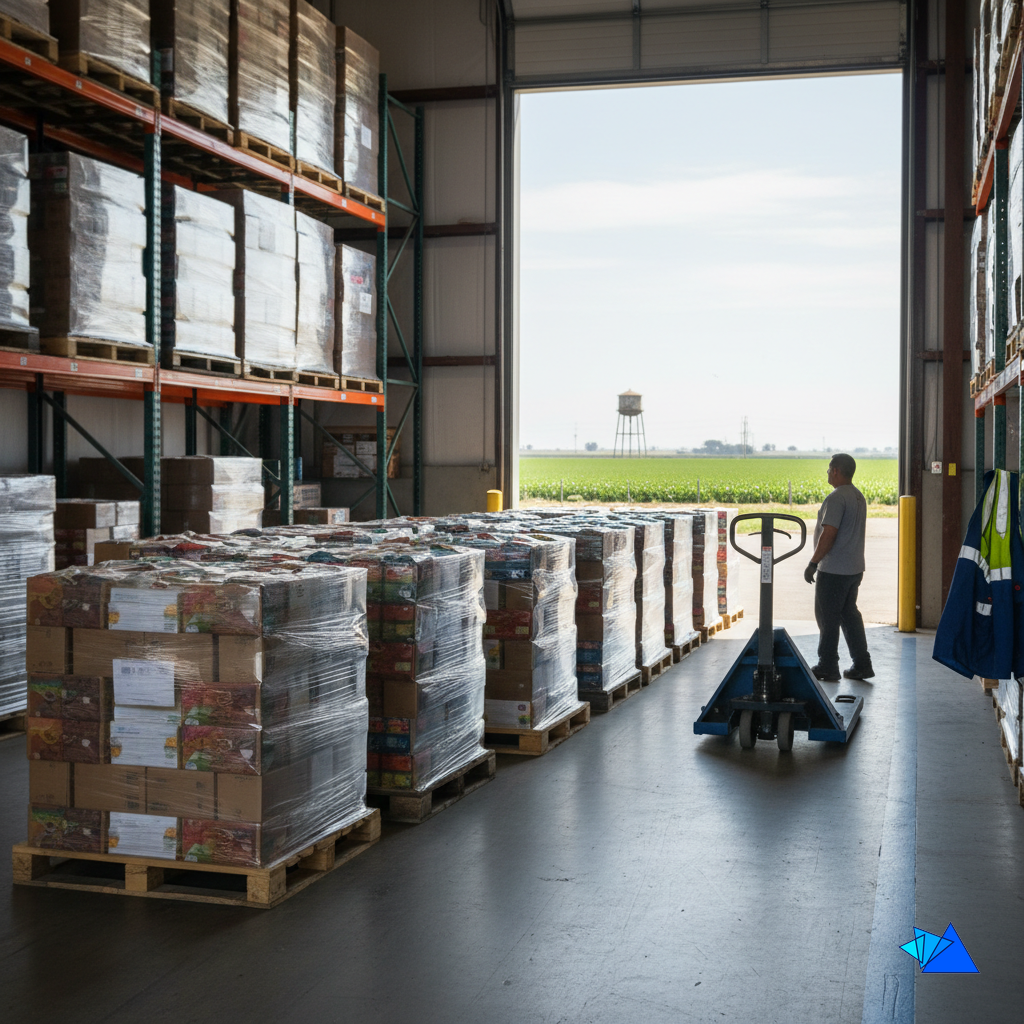
Put the 4 demands together and the warehouse role shifts. Fewer giant seasonal builds, more steady replenishment. Tighter freight math, so location matters more. Labor competition, so efficient receiving and outbound processes matter more than raw square footage. And automation upstream that rewards an equally predictable operation downstream. A manufacturer weighing fulfillment services options should ask about all 4, not just the storage rate.
The Institute for Supply Management publishes a monthly manufacturing survey that is one of the fastest reads on whether factory activity is speeding up or slowing down. It is worth watching alongside the manufacturers’ association quarterly survey for anyone planning warehouse and distribution services capacity around a production schedule.
Manufacturing Day is about inviting the next generation onto the plant floor. The plants they visit are changing fast, and so is everything between the loading dock and the store shelf. Brands that plan their plant and their california warehouse network as one system will feel those changes least.

ABOUT PRISM LOGISTICS: As a warehouse services and warehouse distribution management company, PRISM Logistics provides value added fulfillment and pick & pack services for B2B and B2C operations in California. For more information about PRISM Logistics Warehouse and Distribution services, request a quote and follow on Facebook and LinkedIn.