NACS Las Vegas: Convenience Buyer Demands on Suppliers
When did the corner store become a restaurant? Somewhere between the roller grill and the made to order breakfast sandwich, convenience retail turned into one of the most demanding food channels a supplier can sell into. The NACS Show, run by the National Association of Convenience Stores, is at the Las Vegas Convention Center this week, October 6 to 9, 2026, with the expo floor open October 7 to 9 and more than 1,200 exhibitors pitching buyers (NACS Show, 2026). What those buyers want has a lot to do with warehousing & logistics, not just flavor.
The numbers explain the leverage. Convenience stores sold $341.2 billion in foodservice and merchandise in 2025, up 1.7% and the 23rd straight year of inside sales growth (NACS State of the Industry, April 2026). Here are 4 demands coming from those buyers, and what each one means for the warehouse and distribution services behind a food or beverage brand.
1. Fresh food runs the store now
Foodservice accounted for 28.5% of convenience in-store sales in 2025, up from 11.9% in 2005, and it delivered 38.9% of in-store gross profit dollars (NACS State of the Industry, April 2026). Prepared food, meaning pizza, chicken, burgers, sandwiches, wraps and salads, made up 73.9% of foodservice sales. Fresh product has short shelf lives and tight temperature rules, so a supplier selling into foodservice is really selling into a food logistics schedule.
The show’s education program leans into it. “Inside the Commissary Model,” a session on Tuesday, October 6, looks at how Cumberland Farms uses a central commissary for its foodservice program, from food safety and centralized production to menu development and waste management (NACS Show education sessions). A commissary turns dozens of small store kitchens into 1 big receiving dock, and that dock runs on dependable delivery windows and well managed logistics warehousing upstream.
2. Food safety proof moves upstream
Another October 6 session, “Food Safety Playbook: Top 5 Risks and Practical Solutions for Small Operators,” gives smaller retailers a practical guide to safe food handling (NACS Show education sessions). When store operators get more serious about food safety, the questions roll uphill to suppliers. Expect buyers to ask about lot tracking, temperature records and third party audits such as those from AIB International, the paperwork that shows every link in the food logistics chain handled product safely.
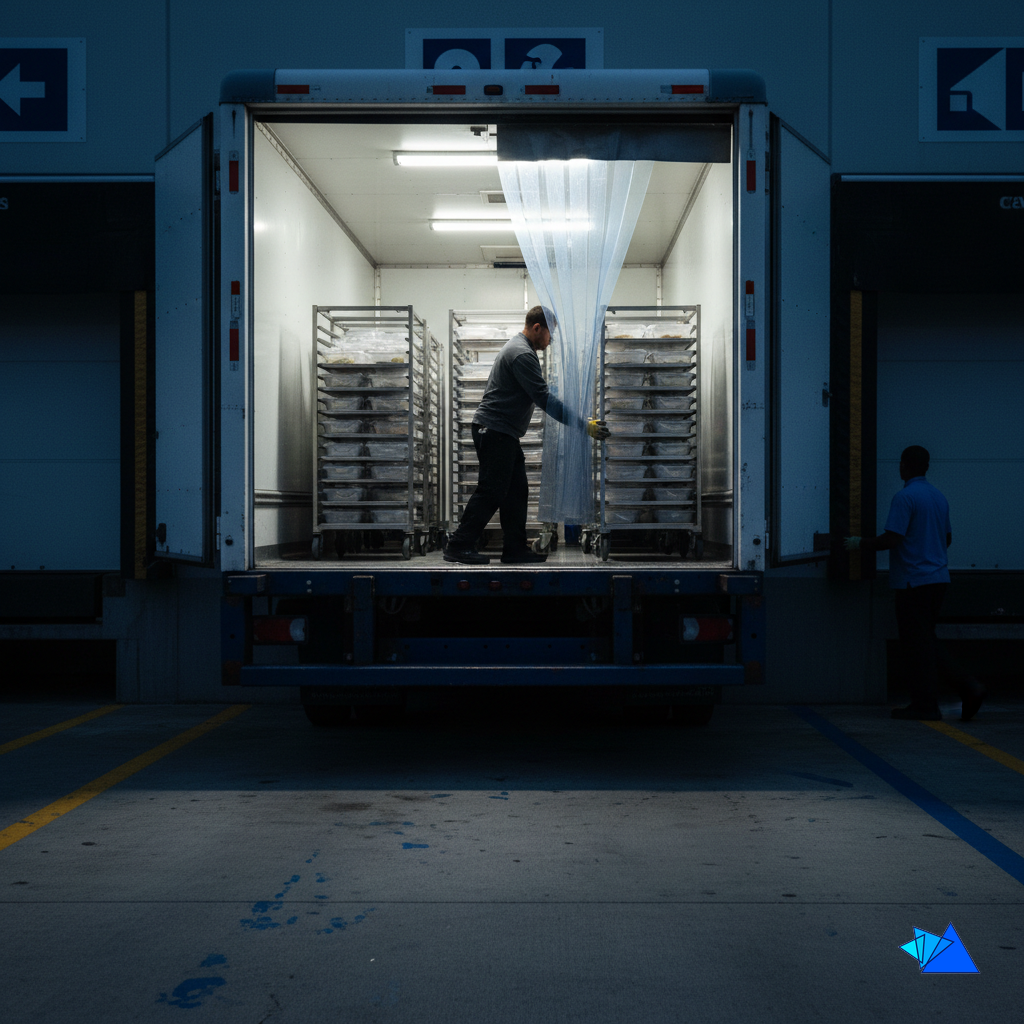
Fresh and foodservice items raise the stakes. A recall on a bag of chips is painful. A recall on a sandwich ingredient that went into hundreds of commissary meals is a scramble, because that product moves fast and gets eaten fast. Buyers want proof that a supplier can trace a lot from the plant to the pallet to the delivery truck within hours, and that temperature stayed in range at every handoff in the warehousing & logistics chain.
3. Small stores mean small orders
The convenience channel is still a small business game. Of 151,975 U.S. convenience stores at the end of 2025, 95,672, or 63%, belonged to companies with 10 or fewer stores (NACS store count, 2026). A single store owner has limited backroom space and limited cash tied up in inventory, so a case pack built for a supercenter can sit on a shelf for weeks. Many suppliers answer with smaller case packs, mixed cases and display ready trays, which shifts more pick and pack fulfillment work into the supply chain.
Most of those small stores buy through wholesale distributors, who consolidate thousands of products into 1 delivery. For a brand, that means the real customer for each shipment is the distributor’s receiving dock, with its own appointment windows and labeling rules. Getting pallets built correctly and on time at the fulfillment warehouse is what keeps a product in the distributor’s catalog.
4. Every slot has to earn its place
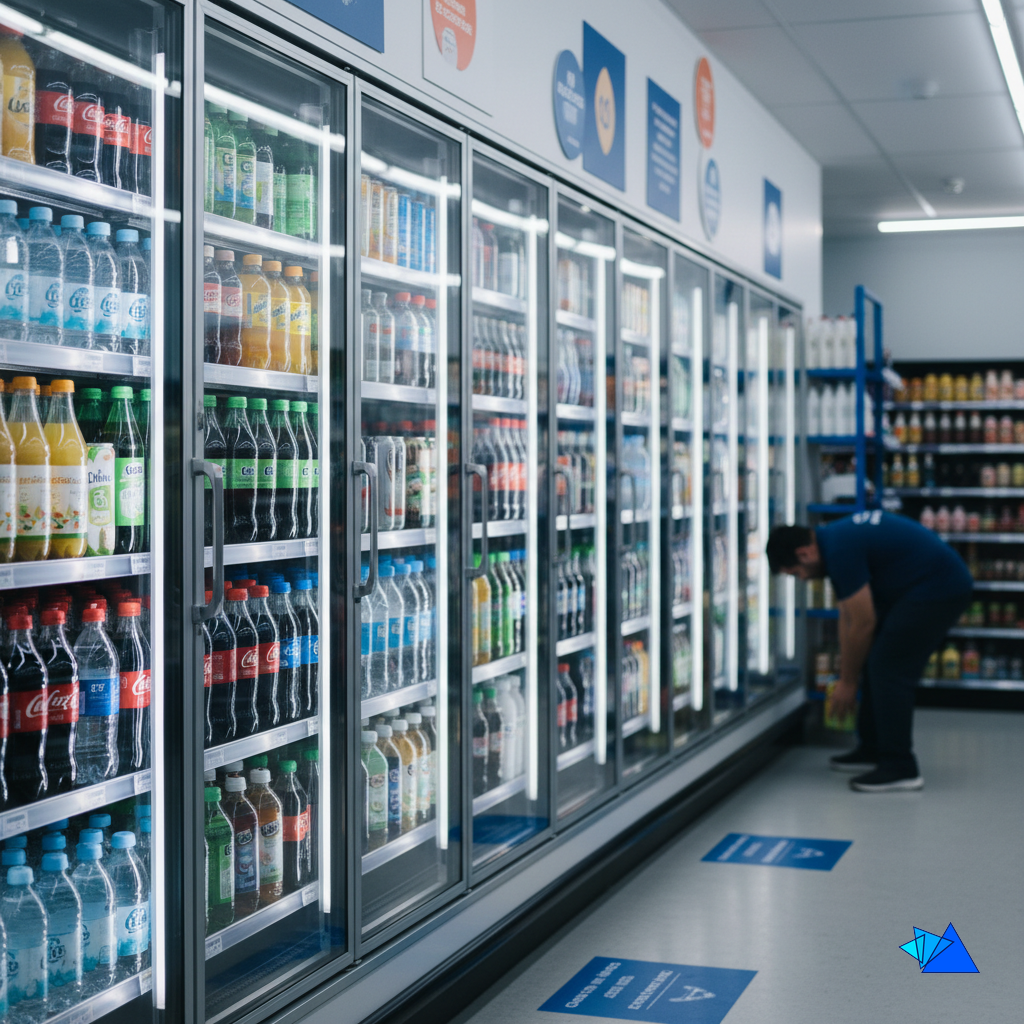
Traffic is getting harder to win. The average convenience store recorded 45,160 transactions per month in 2025, down 2.7% from 2024 (NACS State of the Industry data, as reported by C-Store Dive, September 2026). Fewer trips put more weight on what a shopper buys each visit. Packaged beverages held the No. 2 in-store category spot at 18.7% of sales, up 0.8 points, and alternative snacks grew 7.9%. Space follows sell through, and sell through depends on product being in stock, which comes back to steady warehousing logistics.
The program reflects that fight for space, with category sessions on the next wave of beverages, the cold vault and back bar space all on the Wednesday, October 7 schedule. A supplier session called “Convenience Connect” has retail leaders walking through how they find and evaluate new products. Reliable delivery is part of that evaluation. Many distributor warehouses book inbound loads through dock scheduling platforms like Conduit. A late or misbuilt load costs a supplier credibility with the buyer, and it shows up on the supplier’s logistics and warehousing scorecard.
What suppliers should bring to the expo floor
So what does a convenience buyer want to hear beyond the pitch? A product that fits foodservice or a growing category, a case pack sized for a small store, food safety documentation ready on request, and a supply plan that hits distributor windows every time. Bring numbers too, such as fill rates and on time delivery, because buyers compare suppliers on them. Those answers live in the fulfillment services setup as much as in the product itself.
Convenience retail rewards suppliers who think like the store owner: small space, fast turns, fresh food and no patience for empty shelves. For West Coast food and beverage brands, the test is simple: can a distributor in the region get a correctly built, fully documented pallet on the day it was promised? Where inventory sits in a california warehouse network is one input to that answer, alongside pack design and paperwork.

ABOUT PRISM LOGISTICS: As a warehouse services and warehouse distribution management company, PRISM Logistics provides value added fulfillment and pick & pack services for B2B and B2C operations in California. For more information about PRISM Logistics Warehouse and Distribution services, request a quote and follow on Facebook and LinkedIn.