FSMA 204 Moved to 2028. The Runway Is Shorter Than It Looks.
Ever been handed a deadline extension and felt your shoulders drop 3 inches? Much of the food industry felt exactly that when the Food Traceability Rule, better known as FSMA 204, got a new compliance date. The original date was January 20, 2026. The new date is July 20, 2028. Thirty extra months is easy to read as permission to set the project aside. For anyone in food logistics, that reading gets the runway backwards.
Here is what changed, what stayed the same, and where the 30 months actually go for brands whose covered foods pass through a California warehouse on the way to a shelf.
What changed, and what did not
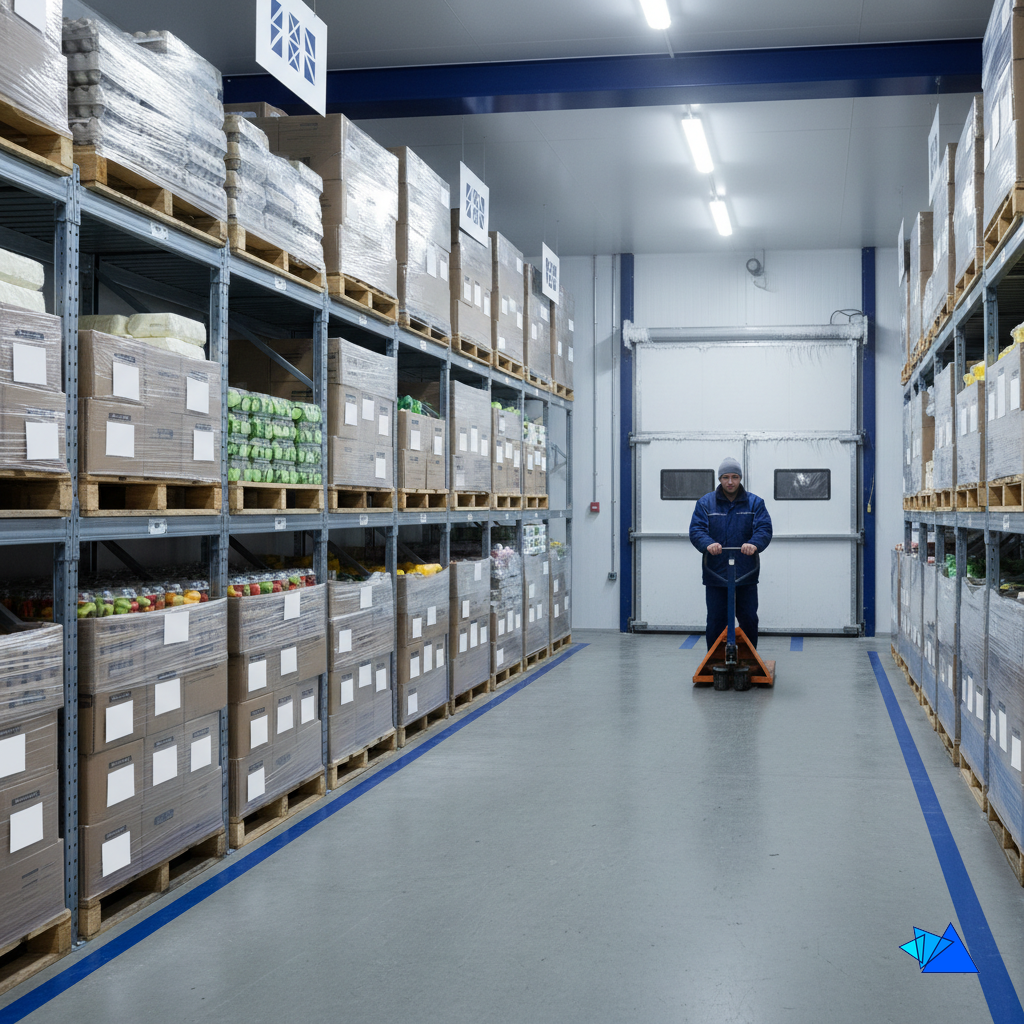
The rule itself stayed the same. FDA published it on November 21, 2022, and it applies to foods on the agency’s Food Traceability List, including cheeses other than hard cheeses, shell eggs, nut butters, fresh leafy greens, fresh-cut fruits and vegetables, finfish and refrigerated ready-to-eat deli salads. FDA estimated the rule would cover more than 323,000 domestic businesses operating more than 484,100 establishments (Congressional Research Service, April 2026). Farms, manufacturers, distributors and every warehousing logistics operation that handles a listed food keep records under the same rule.
Only the date moved, and it moved in 2 steps. FDA announced in March 2025 that it intended to extend compliance by 30 months, then published that proposal in the Federal Register on August 7, 2025. Congress backed the new date with law. Section 780 of Division B of the FY2026 continuing appropriations act, Public Law 119-37, enacted in November 2025, bars the use of funds in that act to administer or enforce the rule before July 20, 2028 (Congressional Research Service, April 2026). FDA says it intends to comply with that directive, which makes July 20, 2028 the working enforcement date for brands and their logistics and warehousing partners.
Why FDA gave the extra time
FDA’s own reasoning is the tell. The agency said the extension “affords covered entities the additional time necessary to ensure complete coordination across the supply chain in order to fully implement the final rule’s requirements” (FDA, March 2025, quoted by the Congressional Research Service). FDA also reported that retailers, distributors and suppliers had struggled to get accurate information from supply chain partners and pass it along in a timely, affordable way. The bottleneck FDA named was information moving between companies, from packer to distributor to fulfillment warehouse to retailer, not software inside any single one of them.
The 3 pieces of data that take 30 months
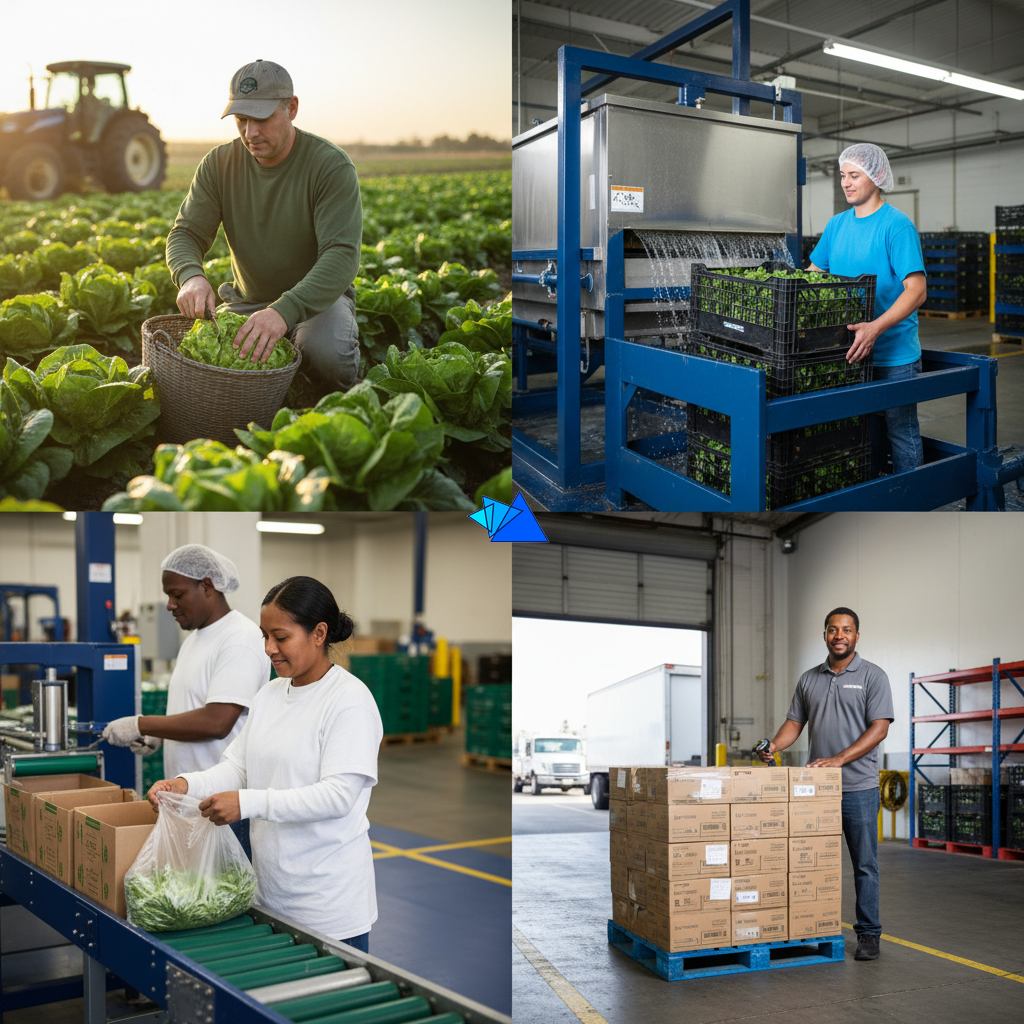
FSMA 204 records are built from 3 building blocks. Critical tracking events, or CTEs, are the moments the rule cares about: harvesting, cooling, initial packing, first land-based receiving of seafood, shipping, receiving and transformation. Key data elements, or KDEs, are the facts recorded at each event, such as dates, locations, quantities and the business the food came from. A traceability lot code is the identifier assigned at initial packing or transformation that has to travel with the food through every later step, including each stop in a logistics warehousing network (FDA).

Now picture a brand with 40 ingredient suppliers. Every one of them has to assign lot codes consistently, record the right KDEs at the right events, and send that data forward in a format the next company can read. That is a supplier onboarding project, and it runs on questionnaires, test files, follow-up calls and second follow-up calls. Buying a traceability platform takes weeks. Getting the 40th supplier to send clean lot data with every inbound load to a California warehouse takes as long as the 40th supplier takes.
Repositrak, which runs a traceability network used by grocers, put the timing plainly: “It can take months for a supplier to complete all of the steps to begin to share traceability consistently and accurately” (Brian Shanahan, Repositrak, quoted in Supply Chain Dive, February 2026). Multiply months by a long supplier list, and 30 months starts to look short for any food logistics program.
Retailers did not wait for 2028
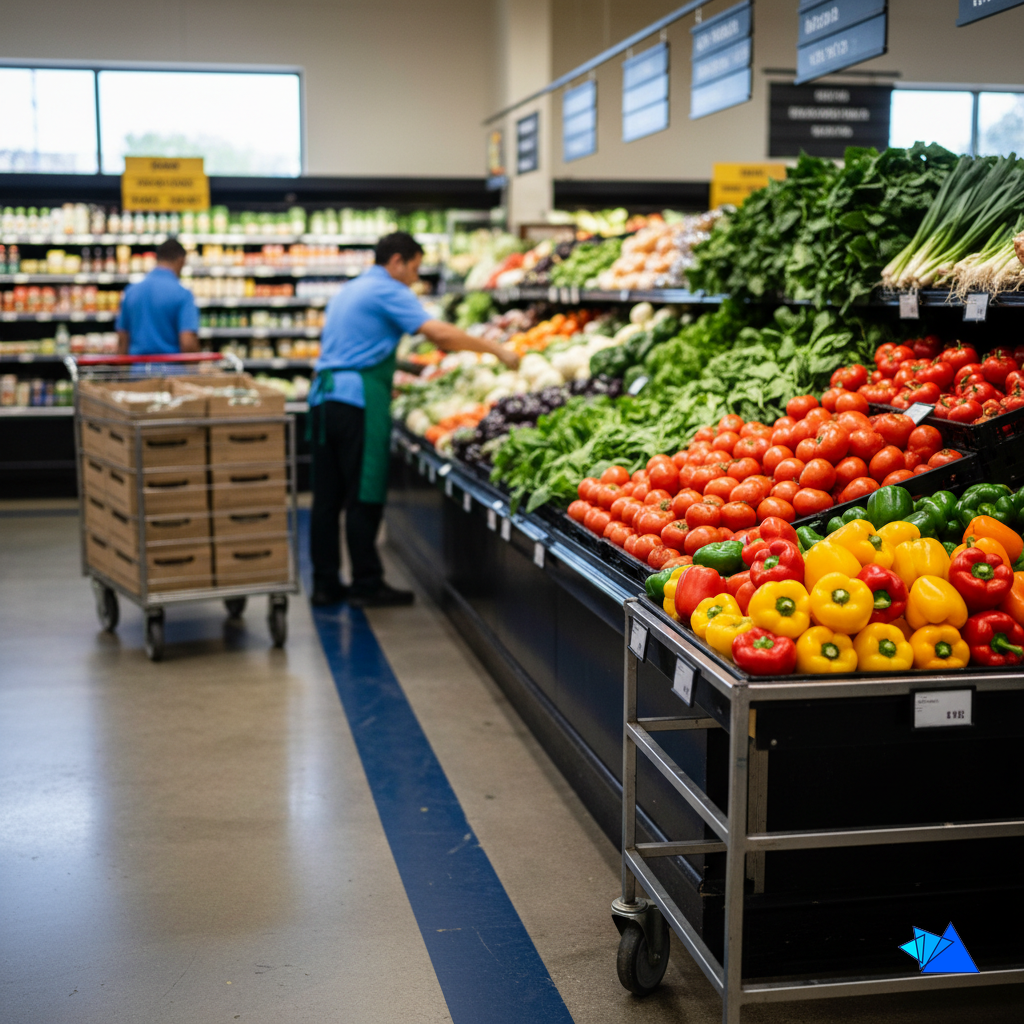
The second misread is assuming FDA is the only one asking. Albertsons, Sam’s Club, KeHE, Kroger, Walmart and Target require traceability data for all foods, not only foods on the Food Traceability List, and Aldi, H-E-B, Meijer, Publix and Wegmans have deadlines earlier than July 20, 2028 (Supply Chain Dive, February 2026). Repositrak counts more than 70 retailers and wholesalers with announced traceability programs. For a brand selling into those chains, the retailer’s date governs every load that moves through warehouse and distribution services on the way to the store.
FDA is also still refining how the rule works in practice. It held a public meeting on lot-level traceability on June 15, 2026, released a discussion paper on possible flexibilities for meeting the lot-level tracking requirement, and took comments through July 15, 2026 (FDA). Some details could change. Flexibility on how lot codes get tracked is a long way from flexibility on whether the supplier data exists. Food Logistics and AIB International both report each FDA update as it lands, which makes them a quick way to catch a change before it reaches your warehousing logistics plan for listed foods.
What a 30 month plan looks like
So what does using the runway well look like? Start with the retailer that has the earliest date, because that date is your real deadline. Map which products contain a food on the list. Name every supplier behind those products. Send each one a written request covering CTEs, KDEs and lot code practices, with a reply date. Then test one real shipment end to end, from the supplier’s record through each logistics and warehousing handoff to the electronic sortable spreadsheet FDA can request within 24 hours (FDA). Fix what breaks, and test again.
July 20, 2028 is a date on a calendar. The data behind it is a working relationship with every supplier, and relationships take time to build. A brand that starts the supplier work now can spend 2028 testing its fulfillment services and retail flows instead of chasing paperwork. And for a brand selling to a grocer with an earlier date, 2028 was never the deadline at all.

ABOUT PRISM LOGISTICS: As a warehouse services and warehouse distribution management company, PRISM Logistics provides value added fulfillment and pick & pack services for B2B and B2C operations in California. For more information about PRISM Logistics Warehouse and Distribution services, request a quote and follow on Facebook and LinkedIn.