
Yard Management Is Not Glamorous. It Saved Us 45 Minutes Per Truck.
Nobody builds a career in logistics management because they want to talk about yard operations. Yards are hot, loud, and unglamorous. Trucks sit. Drivers wait. Dock doors open and close on schedules that belong on a whiteboard from 1997.
And that is precisely why yards are the single biggest lever most warehouse and distribution services providers never pull.
At PRISM Logistics, we pulled it. The result was a 45-minute reduction in average dock wait time per truck. Not theoretical. Not projected. Measured across real loads moving through our Stockton warehouse facilities after implementing Conduit’s digital yard management system.
This is the story of what happened after our digital yard management investment went live.
The Problem Was Never Trucks. It Was Information.
Inefficient loading dock operations waste 45 minutes per truck (Material Handling Industry). Multiply that across a fulfillment warehouse handling dozens of inbound and outbound trailers per day, and the lost time compounds fast. But the trucks were never the root cause. The root cause was that nobody had a single source of truth about what was parked where, what was loaded, and what was next.
Before Conduit, our warehousing logistics teams at the Stockton campus relied on a combination of phone calls, radio chatter, and manual tracking to coordinate gate arrivals with dock assignments. If a driver showed up early, someone had to physically walk the yard to find an open spot. If a trailer needed to be relocated, the yard jockey learned about it verbally.
That system worked until it did not. 70% of delivery delays stem from inefficient warehouse operations, not transport (Material Handling Industry). At our scale, with four Stockton buildings and over 1.2 million square feet of combined capacity, manual coordination hit a ceiling.

What Conduit Actually Changed
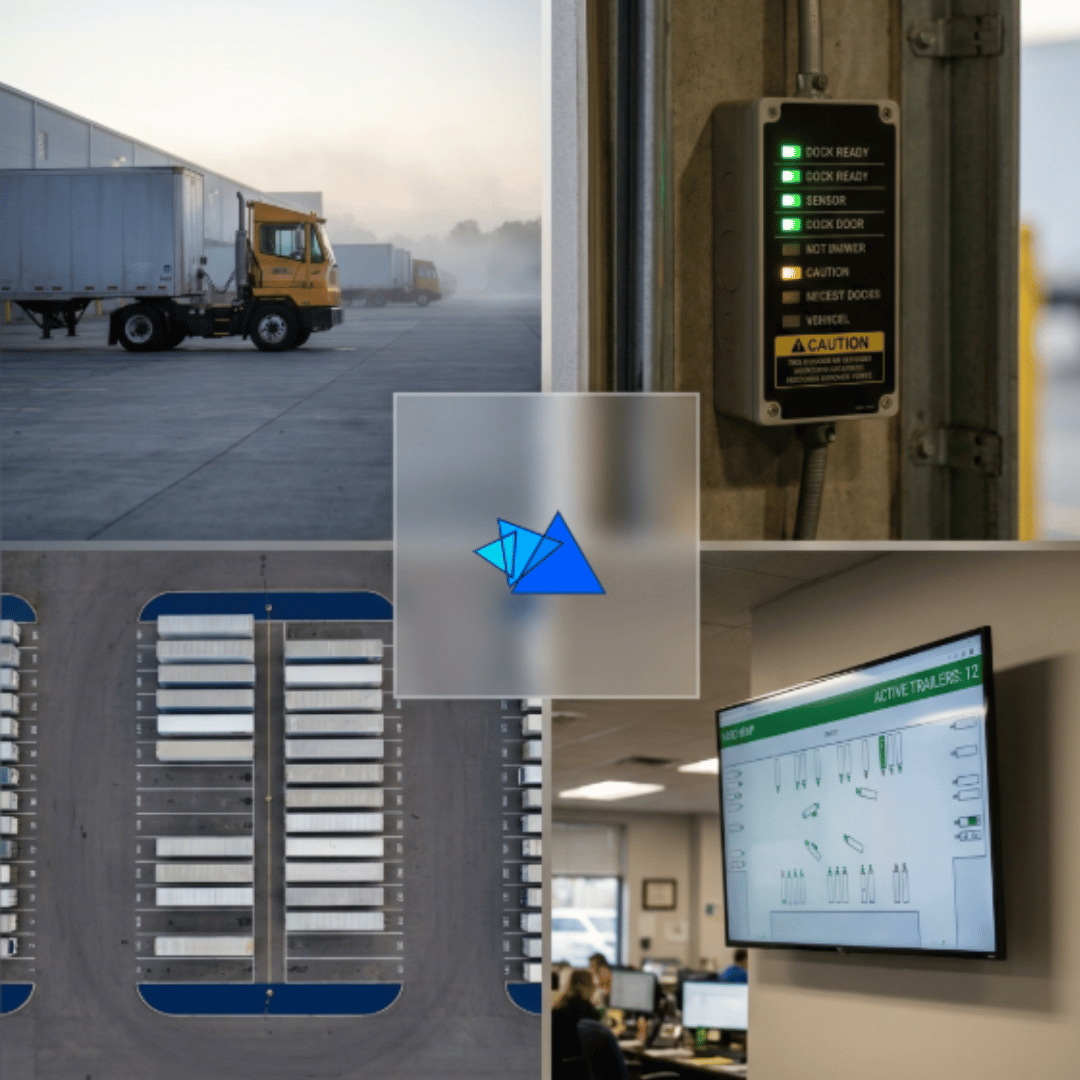
Conduit is a dock scheduling and yard management platform that does one thing well: it makes every trailer in the yard visible, trackable, and schedulable in real time. Here is what that translated into at our California warehouse operation.
Gate throughput improved. Drivers check in digitally. The system knows their appointment window, their assigned dock, and whether that dock is clear. No radio call required. No waiting for a yard jockey to come confirm status. Gate-to-dock cycle time at our Northern California facilities dropped because drivers stopped idling at the gate.
Dock utilization climbed. When every dock door has a schedule visible to warehouse supervisors, labor planning gets sharper. Teams know when the next inbound is arriving and can stage receiving labor accordingly. Companies leveraging advanced WMS report a 25% increase in labor productivity (Oracle). We saw similar gains in our dock labor allocation once appointment compliance improved.
Appointment compliance became measurable. Before Conduit, we could not tell you what percentage of carriers arrived within their scheduled transportation and distribution window. After implementation, we could. That data became a tool for carrier performance conversations. Carriers that consistently missed windows heard about it, with data, not opinions.
Why Yard Visibility Cascades Into Better Labor Planning
Here is a detail most fulfillment warehouse operators miss: yard visibility does not just fix the yard. It fixes the floor.
When a warehouse supervisor can see, on screen, that three inbound trailers will arrive between 10:00 and 11:30 a.m., that supervisor can pre-stage receiving teams. Labor gets allocated to actual load schedules instead of to guesswork. Warehouse labor accounts for 60-70% of facility budgets (Material Handling Industry). Even a 5% improvement in labor deployment against confirmed arrivals represents significant savings at scale.
At our fulfillment services operation, the ripple effect showed up in two ways. First, overtime hours dropped because teams were not scrambling to receive unscheduled loads at shift end. Second, cross-dock throughput improved because outbound scheduling could sync with confirmed inbound timing instead of reacting after the fact.
Cross-docking alone can cut logistics costs by up to 20% (Material Handling Industry). When you pair cross-dock operations with a yard system that tells you exactly when inbound freight will reach the dock, that 20% becomes more achievable.
The Numbers That Mattered
We track several KPIs against the Conduit implementation at our Stockton warehouse campus. The headline stat is the 45-minute reduction in average dock wait time. But the supporting metrics tell a fuller story.
Carrier appointment compliance climbed because the system enforced accountability. Carriers received automated confirmations and reminders through our logistics management platform. When they arrived outside their window, the data was logged, not lost.
Yard jockey utilization improved because trailer relocations became planned events rather than reactive scrambles. The warehouse and distribution services yard team moved trailers based on priority queues generated by the system, not by whoever radioed loudest.
Warehouse floor staging efficiency improved because receiving teams had advance notice of inbound loads. Product moved from dock to rack faster in our California warehouse facilities, which meant less staging area congestion and more available floor space for active operations.
Companies with optimized supply chains have 15% lower costs and 50% faster inventory turns (Supply Chain Management Review). Yard management is a small piece of that optimization, but it is the piece that touches every other piece.
What We Would Tell Another 3PL Considering This
Yard management software is not the kind of purchase that generates excitement at a 3PL leadership meeting. Nobody posts about it on LinkedIn. Nobody wins awards for it.
But here is what it does. It compresses the gap between when a truck arrives and when product starts moving. That gap is pure waste. Every minute a truck sits at your gate is a minute your dock team is either idle or scrambling. Neither is productive. Only 6% of companies have full supply chain visibility. Yard management is one of the fastest ways to close that gap for the portion of the supply chain that physically touches your property.
PRISM has invested in technology across the board. PRIMS for real-time inventory. Raymond West AGVs for automated material handling. RF scanning for pick and pack fulfillment accuracy. But if you forced us to rank which investment produced the fastest visible return, Conduit would be in the conversation. Not because it was the biggest investment. Because it fixed the bottleneck that every other system was waiting behind.
FAQ: Yard Management at PRISM Logistics
Q: What is a yard management system?
A: A yard management system (YMS) digitally tracks every trailer on a warehouse property, from gate arrival through dock assignment to departure. It replaces manual radio calls and clipboard tracking with real-time visibility into trailer locations, dock availability, and appointment compliance.
Q: How much time does yard management save per truck?
A: At PRISM’s Stockton facilities, implementing Conduit’s yard management system reduced average dock wait time by 45 minutes per truck. Results vary by facility size and volume, but the reduction in idle time is consistent across operations that move from manual to digital yard coordination.
Q: Does PRISM use Conduit at all facilities?
A: PRISM is rolling out Conduit’s dock scheduling and yard management capabilities across its Northern California network. The initial deployment at Stockton facilities produced measurable improvements in gate throughput, dock utilization, and carrier appointment compliance.
Q: How does yard management affect warehouse labor costs?
A: Yard visibility allows warehouse supervisors to pre-stage receiving teams based on confirmed inbound schedules rather than guessing. This reduces overtime, improves labor allocation, and decreases staging area congestion, all of which lower labor costs as a percentage of facility budget.

ABOUT PRISM LOGISTICS: As a warehouse services and warehouse distribution management company, PRISM Logistics provides value added fulfillment and pick & pack services for B2B and B2C operations in California. For more information about PRISM Logistics Warehouse and Distribution services, request a quote and follow on Facebook and LinkedIn.