The 2026 AGV Reality Check: What PRISM Learned in its First Years of Running Automated Forklifts
Warehouse automation vendors show you the sizzle reel. A gleaming AGV glides between racking, perfectly aligned, no humans in sight. The music swells. The warehouse management ROI slide appears.
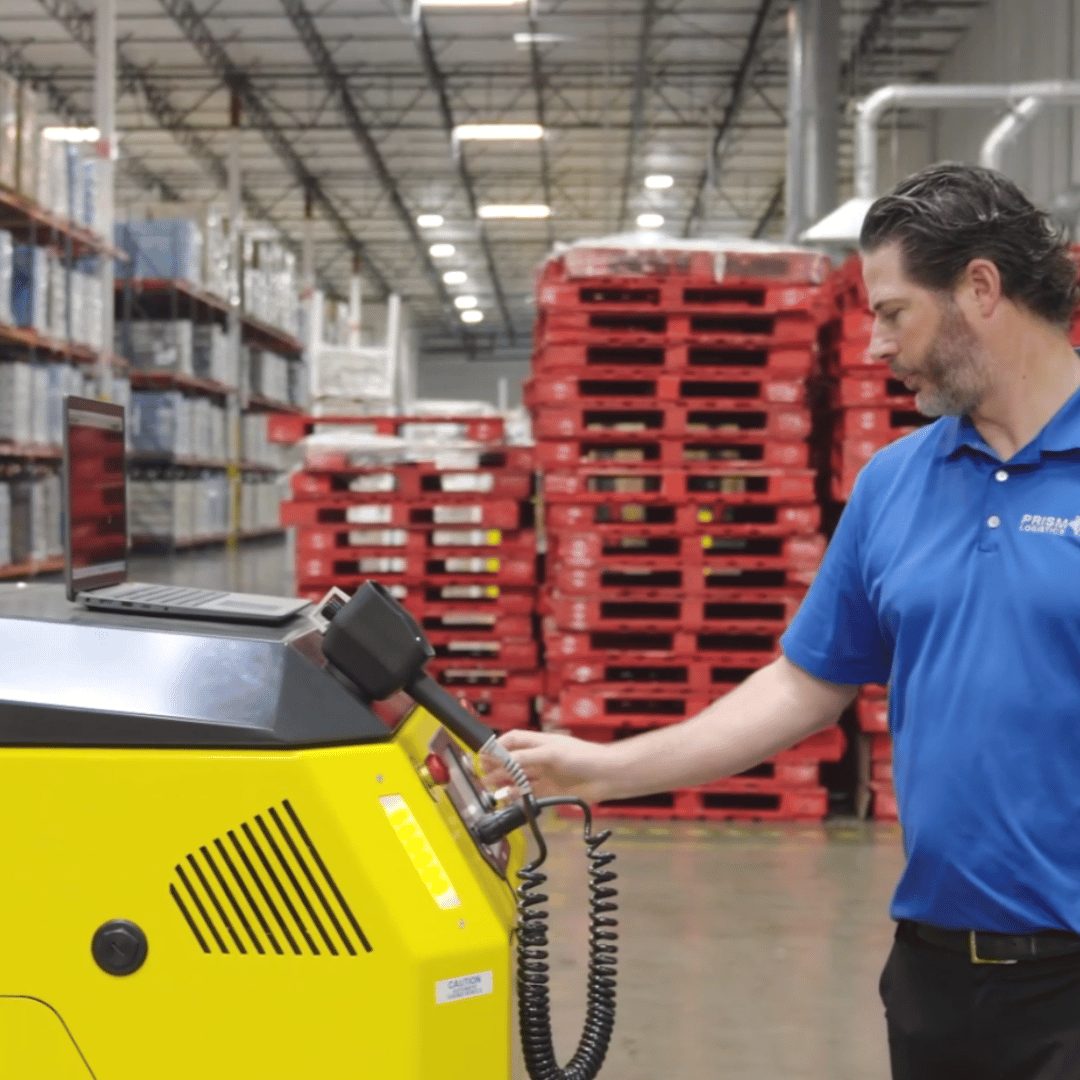
PRISM Logistics bought the machines. We deployed Raymond West automated guided vehicles and a radio-shuttle dense-storage system at our Stockton warehouse starting Q1 2024. Two years later, we have something most marketing videos leave out: real data from a real fulfillment warehouse running real customer freight. Here is what we found, what surprised us, and what we would tell any operations leader who is weighing the same investment.
Why PRISM Invested in AGVs
The numbers made the case. Skilled warehousing logistics labor shortages affect 73% of logistics companies (Material Handling & Logistics). Warehouse labor accounts for 60 to 70% of facility budgets (Material Handling Industry). Workers in inefficient facilities walk 7 to 10 miles per day. Manual picking errors average 1 to 3%, while automation cuts errors to 0.1% (Material Handling Industry).
Those statistics are real. But statistics do not load pallets. The question was whether the gains would materialize inside our California warehouse operation, with our floor layout, our customer mix, and our team.
PRISM chose Raymond West for a reason beyond equipment specs. The relationship mattered. As Jeremy Van Puffelen put it: “I would definitely recommend Raymond West to others in the industry just because of the relationship that we’ve been able to form with them. They’ve been efficient, they’ve been fair, they’ve always been available to us.” In a family-owned company with 30 years of warehousing logistics experience, choosing a vendor based on the relationship, not just the spec sheet, is how we operate.
The Deployment Timeline: What Actually Happened
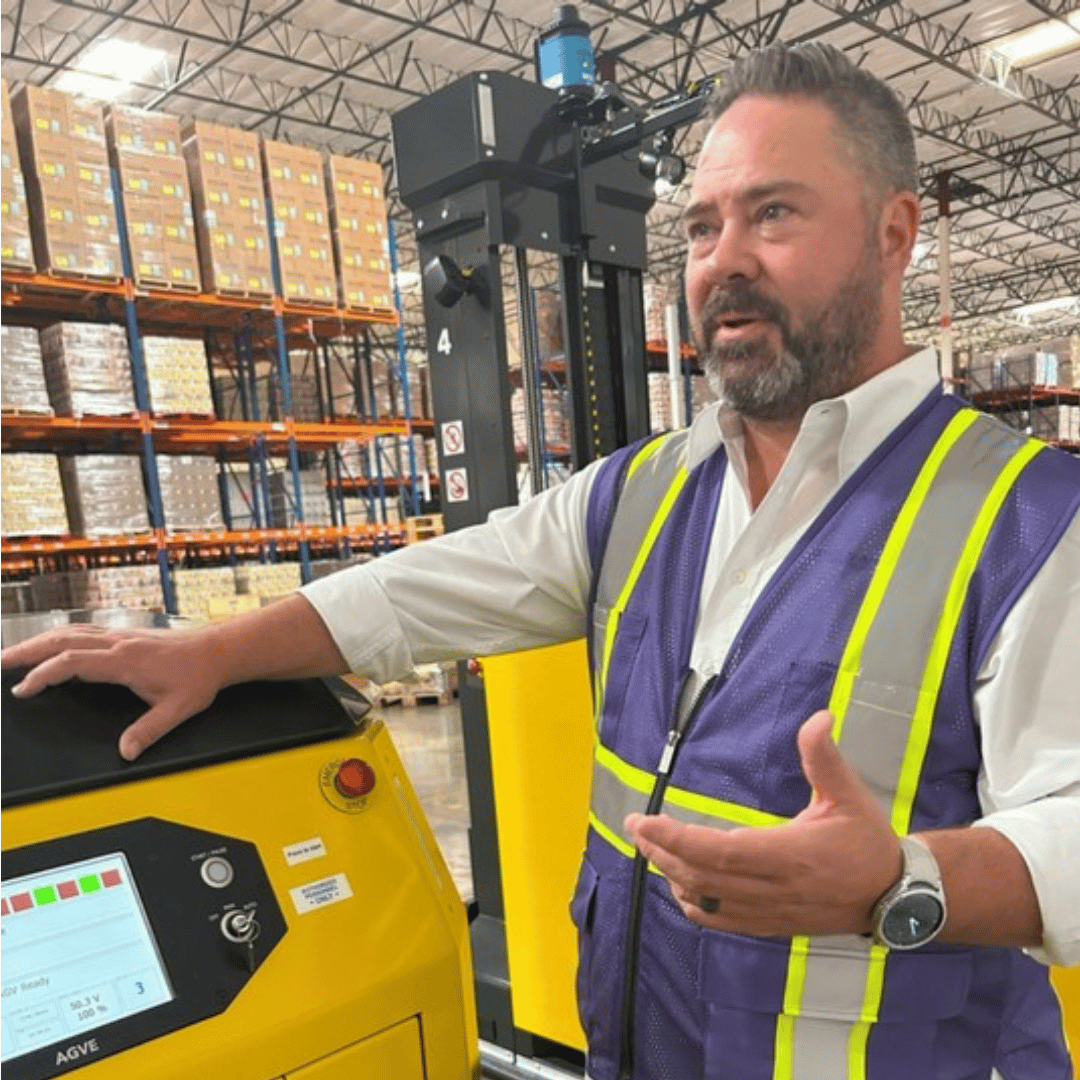
The vendor pitch said 90 days. Reality stretched closer to five months at our fulfillment warehouse. Not because the hardware was late. Because the floor was not ready.
AGVs follow guide paths, magnetic strips or laser reflectors embedded in the environment. Our Stockton facility needed aisle modifications, floor resurfacing in two zones, and reflector calibration across a racking bay that had been configured for manual forklifts for over a decade. None of this appeared on the vendor’s project plan.
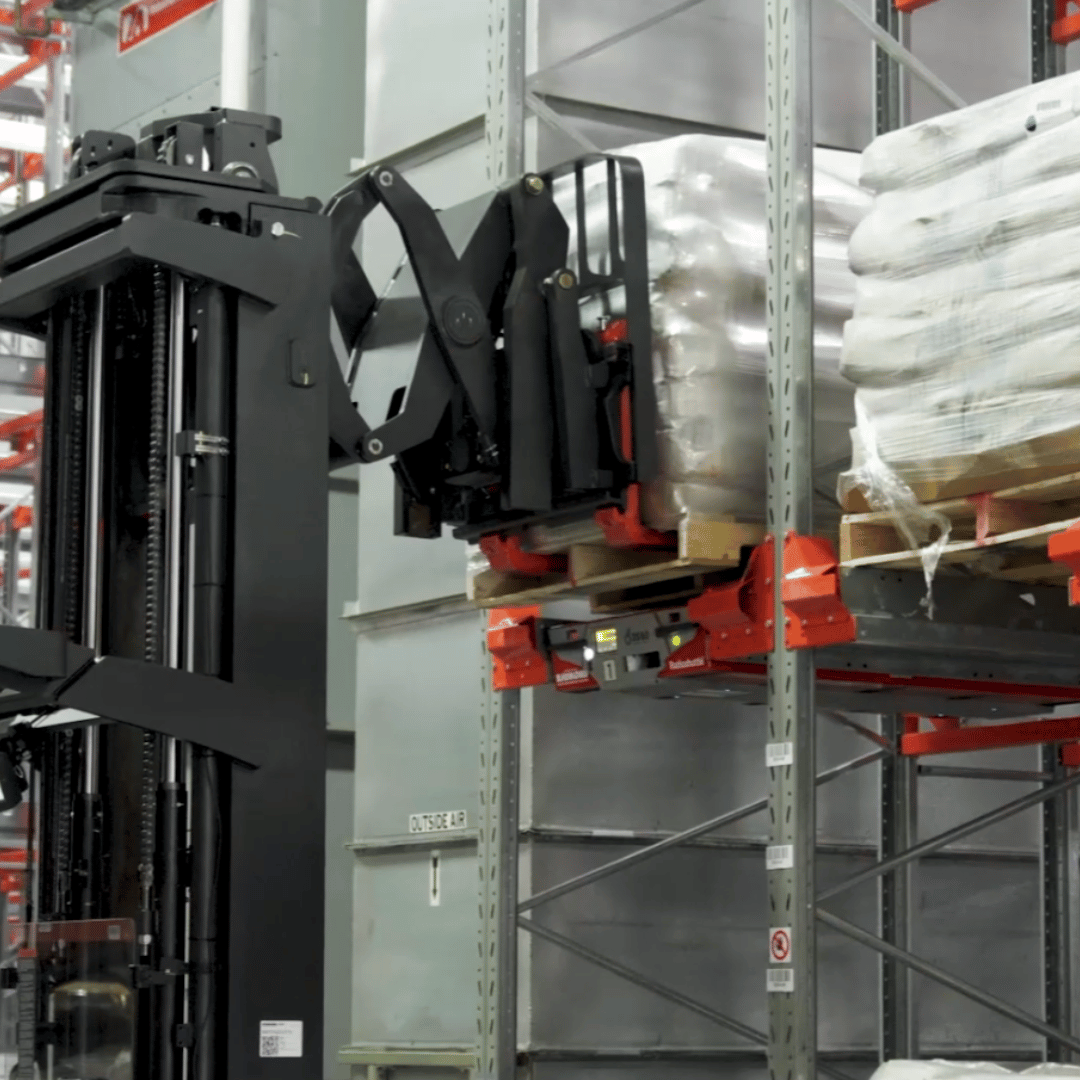
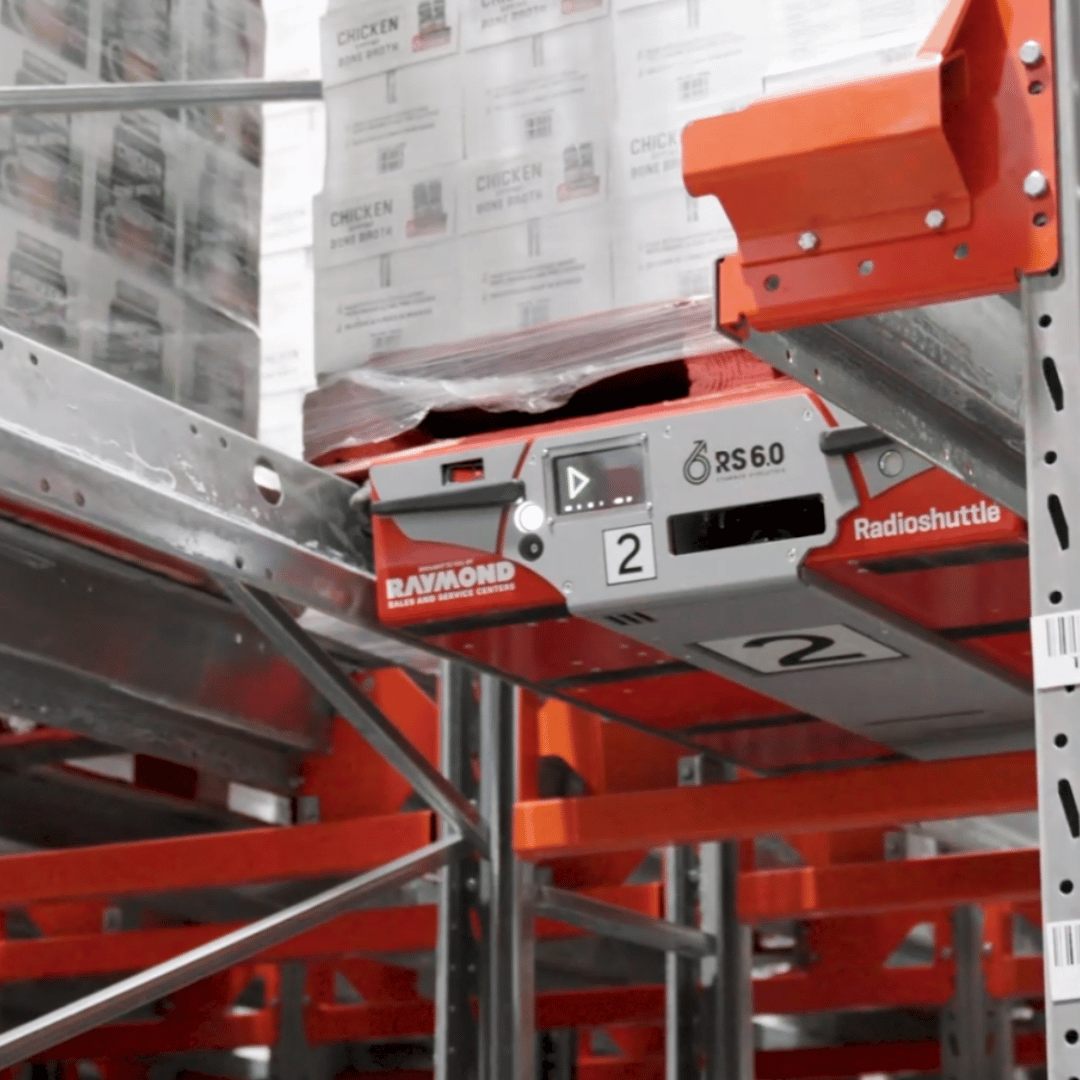
The radio-shuttle system deployed in parallel. Dense-storage racking with a shuttle carrier that moves pallets deep into lanes, eliminating the need for a forklift to enter the racking structure. This one went smoother because the racking was purpose-built from the start in our warehouse and distribution services facility. Lesson: retrofit is harder than greenfield.
We ran a 60-day parallel period where AGVs and manual forklifts operated in the same aisles. Safety protocols required floor markings, speed governors on the AGVs, and human observers for every shift during the logistics and warehousing transition. That parallel window was not in the original budget. It should have been.
Payback Math: The Honest Version
Industry data says warehouse automation achieves ROI in 24 months and improves accuracy to 99.8% (Material Handling Industry). Our experience aligns with the accuracy number. The ROI timeline depends on how you define the denominator.
If you count only the hardware purchase and installation, we are inside the 24-month window. If you count floor modifications, parallel-operation labor, training hours, and the two months of reduced throughput during calibration, the payback stretches to roughly 30 months for our fulfillment services operation. Still positive. Still worth it. But not the clean story the brochure tells.
Here is what moved the needle across our warehouse operations:
Throughput gains. The radio-shuttle system increased pallet-in and pallet-out velocity in our deep-storage lanes by a meaningful margin. Previously, a forklift had to enter the racking lane, position itself, deposit the pallet, back out, and repeat. The shuttle handles the lane travel inside the California warehouse. The forklift just presents the pallet at the lane mouth. Cycle time dropped.
Accuracy. Manual processes cost 5 to 7 times more than automation (Material Handling Industry). Our pick accuracy in the AGV-served zones is consistently above 99.5%. The supply chain solutions data from PRIMS (our proprietary real-time inventory management system) confirmed that the scanned-in, scanned-out chain-of-custody held tighter with automated put-away.
Injury exposure. Forklift accidents cost up to $135,000 per incident (Material Handling Industry). The AGV zones at our Stockton warehouse logged zero forklift-related incidents in 24 months. The machines stop when they detect an obstacle. Warehouse worker injury rates are 50% higher without proper training and safety protocols. The AGV zones enforce the protocol mechanically.
What Automation Did Not Fix
Three things stayed stubbornly human in warehousing logistics.
Exception handling. When a pallet arrives with a damaged shrink wrap, a mismatched label, or an unexpected SKU, the AGV does not improvise. It stops and flags a human. In food-grade warehousing logistics, exceptions are more common than consumer goods because lot codes, expiration dates, and organic-certification tracking add complexity that a put-away algorithm cannot adjudicate alone.
Customer-specific kitting. PRISM provides value-added fulfillment including display assembly, re-pack, variety packs, and kitting. These are tactile, judgment-intensive tasks. The forklift operators who used to run repetitive put-away routes now staff the kitting lines, where their product knowledge pays off in a way no machine can replicate.
Relationship judgment. When a longtime customer calls because their shipment needs to jump the queue for a retail compliance deadline, the decision is not algorithmic. It requires context: how long the relationship has been active, what the downstream cost of a miss would be, whether the dock schedule has give. That judgment lives in the people at a family-owned 3PL, not the WMS.
The Redeployment Story
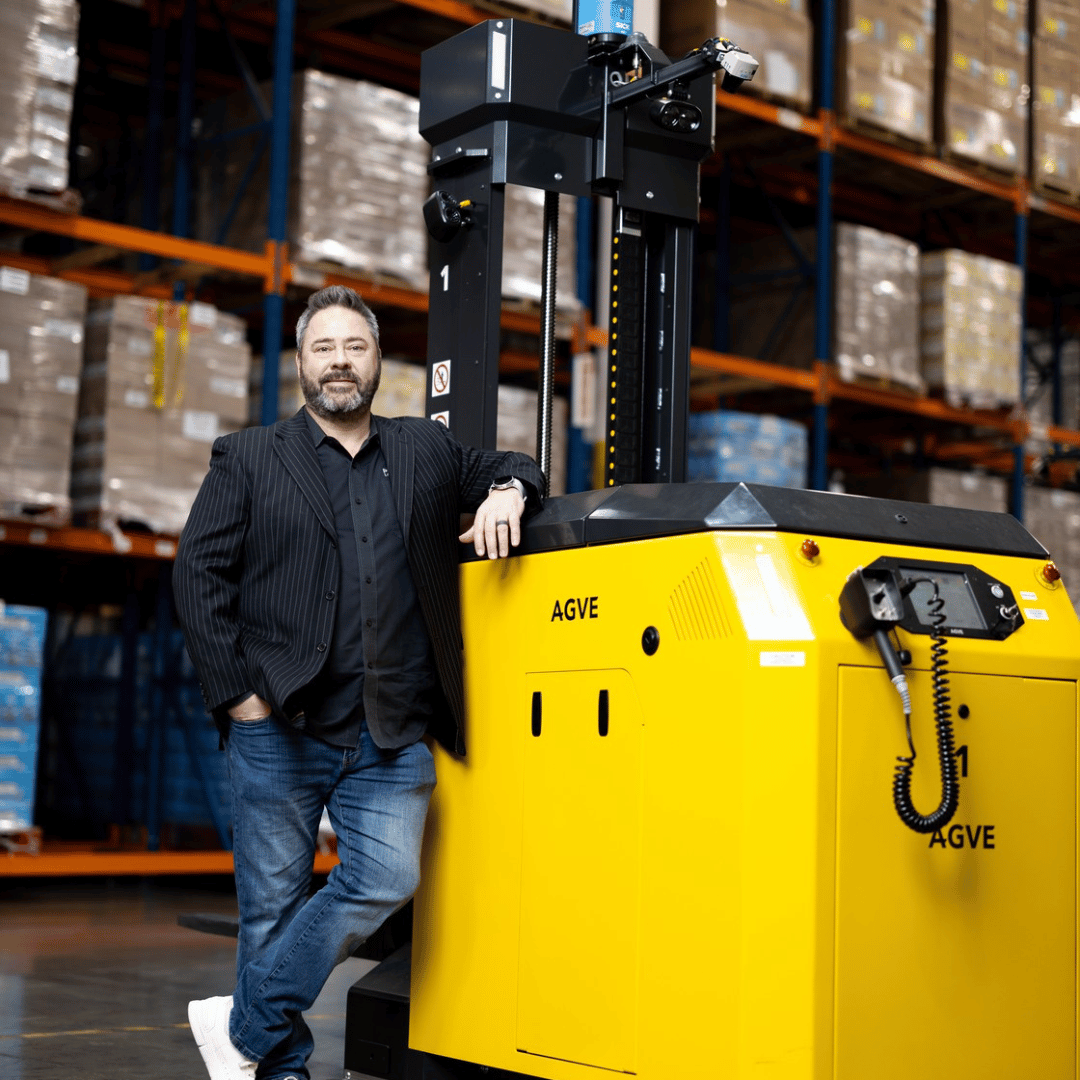
Automation did not reduce PRISM’s headcount. It shifted the work. That distinction matters because the industry conversation often frames automation as a labor replacement strategy. In a California warehouse operating under one of the tightest labor markets in the country, replacing labor was never the goal. Finding better uses for skilled people is.
The workers who previously ran repetitive pallet transport now handle exception resolution, kitting, inspection, and cross-dock coordination for our warehouse and distribution services customers. Their per-hour productivity contribution went up. Their job satisfaction, measured informally through retention rates, went up too. Untrained employees are 3 times more likely to make costly errors (OSHA training effectiveness studies). Our most experienced people, freed from repetitive tasks, are now applying their expertise where it generates the most value.
Companies with optimized supply chain solutions have 15% lower costs and 50% faster inventory turns (Supply Chain Management Review). At PRISM, the AGV deployment moved us closer to that benchmark, not by cutting people, but by redeploying them.
What We Would Tell a Brand Evaluating Automation
Five things, in order, for any logistics and warehousing operation.
Budget the full project, not the purchase order. Floor prep, parallel operations, training, and throughput dips during calibration are real costs for any fulfillment warehouse deployment. Add 25 to 30% above the vendor quote.
Train alongside, not after. Your warehousing logistics team should be running the machines in supervised mode within the first two weeks. If the training starts at go-live, you have already lost the adoption window.
Pick the vendor like a partner. Raymond West supported our deployment with on-site technicians, rapid response on calibration issues, and a willingness to adapt the configuration to our floor layout. Automation is a relationship, not a transaction.
Measure redeployment, not replacement. If your business case depends on cutting headcount by 40%, stress-test that assumption against your actual exception rate. In pick and pack fulfillment and food-grade operations, the exception volume will surprise you.
Connect the data layers. The AGVs and radio shuttle generate operational data. That data is only valuable when it feeds into your WMS, your yard management system, and your customer-facing visibility portal. PRISM runs PRIMS, RF scanning, and Conduit’s yard management as a connected stack. Isolated automation is fast movement with blind spots.
The Vendor Conversation Nobody Has
85% of warehouses are investing in automation (Gartner). But the conversation between a 3PL and its customer about how automation changes service delivery barely exists. Brands shipping through a fulfillment warehouse should ask:
Where are the AGVs deployed, and what workflows do they handle? What is the fallback when a machine goes down? How did your team’s roles change after deployment? What is the actual accuracy rate in the AGV-served zones versus the manual zones? And can you show the data? These are the questions that a strong equipment and technology partnership should be able to answer.
At PRISM, we welcome those questions. The honest answers are what separate a marketing story from an operational reality.
[See Our Warehouse in Action (Video Tour)](https://prismlogistics.com/warehouse-request-a-quote/)
Frequently Asked Questions
Q: What types of AGVs does PRISM use in its warehouses?
PRISM deployed Raymond West automated guided vehicle forklifts alongside a radio-shuttle dense-storage system at the Stockton warehouse campus. The AGVs handle repetitive put-away and retrieval routes, while the radio-shuttle carriers move pallets deep into dense-storage racking lanes without requiring a forklift to enter the lane structure.
Q: What is the realistic ROI timeline for warehouse automation?
Industry benchmarks cite 24 months for warehouse management automation payback. PRISM’s experience shows that when you include floor modifications, parallel-operation labor, training hours, and throughput dips during calibration, the payback stretches to roughly 30 months. Still positive, still worth it, but vendors often understate the full project cost by 25 to 30%.
Q: Can AGVs handle food-grade warehouse operations?
Yes, with caveats. AGVs excel at repetitive, structured tasks like standard put-away and retrieval. However, food and beverage logistics operations involve lot-code tracking, organic-certification verification, and expiration-date management that generate more exception events than consumer goods warehousing. PRISM pairs AGV automation with experienced warehouse associates who handle the exception volume.
Q: How does PRISM integrate AGVs with its warehouse management system?
The AGVs and radio-shuttle system feed operational data into PRISM’s connected technology stack: PRIMS (the proprietary Real-time Inventory Management System), RF-scanned warehouse management, and Conduit’s Yard Management System. When a pallet is scanned at receiving, the yard system assigns the dock door, and the picking team sees inbound inventory reflected in real-time allocation.
Q: Did automation reduce PRISM’s workforce?
No. Automation redeployed the workforce. The forklift operators who previously ran repetitive put-away routes now handle exception management, customer-specific kitting, and cross-dock coordination at PRISM’s fulfillment warehouse facilities. Per-hour productivity contribution rose, and retention rates improved because the work became more skilled and varied.

ABOUT PRISM LOGISTICS: As a warehouse services and warehouse distribution management company, PRISM Logistics provides value added fulfillment and pick & pack services for B2B and B2C operations in California. For more information about PRISM Logistics Warehouse and Distribution services, request a quote and follow on Facebook and LinkedIn.